This article is for informational purposes only and does not constitute medical advice. If you have concerns about Salmonella or antibiotic resistance, consult a healthcare professional.
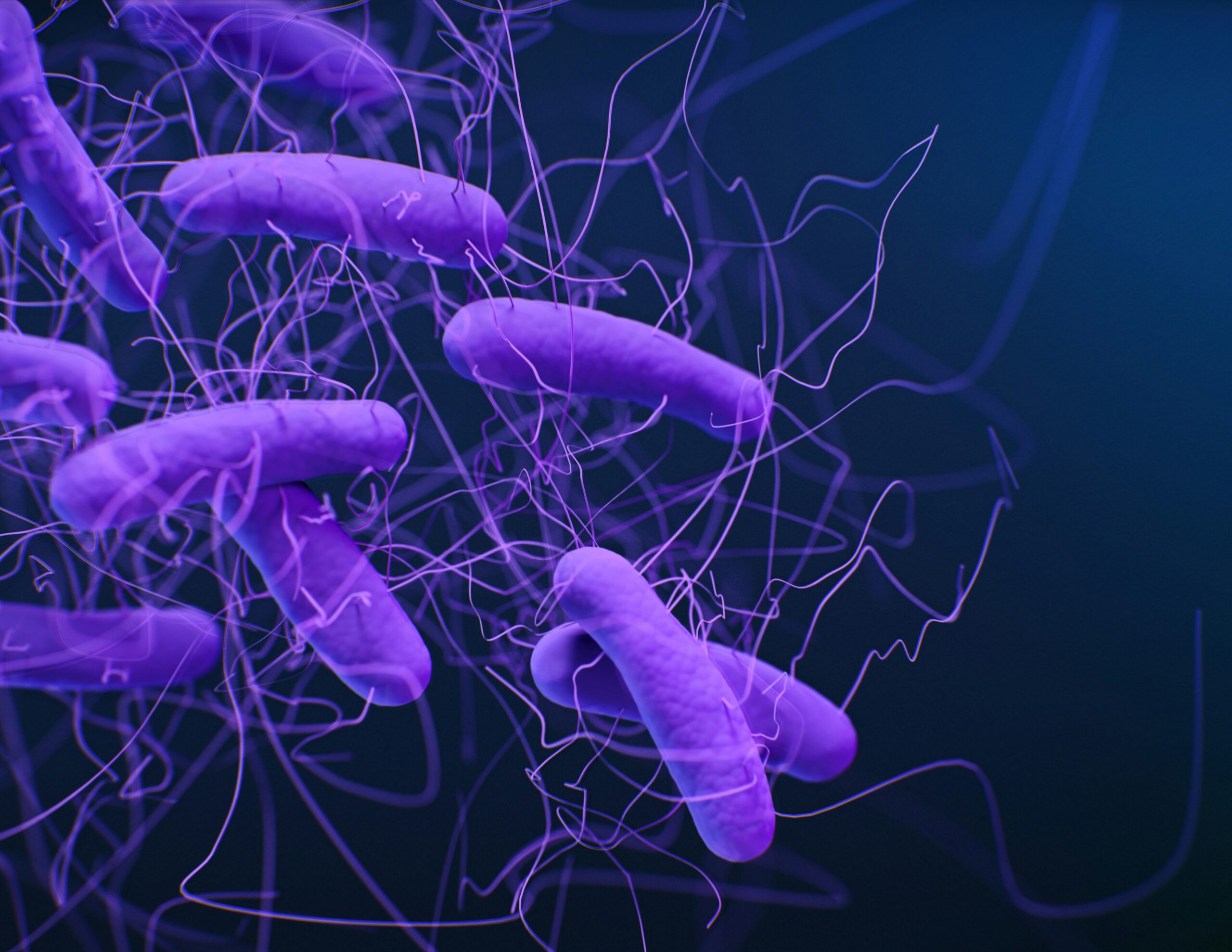
You might have heard about drug-resistant bacteria making headlines, and Salmonella is definitely part of that conversation. Basically, it’s a type of Salmonella bacteria that has figured out how to shrug off the effects of common antibiotics, the drugs we usually rely on to kick infections to the curb. This makes it much harder to treat, potentially leading to longer illnesses, more severe symptoms, and even increased risk of complications. It’s not a new problem, but it’s a growing one, and understanding it is key to staying safe.
Why Is Salmonella Becoming Resistant?
It’s not like the bacteria woke up one morning and decided to become resistant. This is a slow, evolutionary process, driven by how we use antibiotics.
The Tiny Architects of Resistance: Natural Selection in Action
Imagine a big group of Salmonella bacteria hanging out. Most of them are susceptible to antibiotics – they’ll die if you hit them with the right drug. But, by chance, a few might have a genetic mutation that makes them a bit tougher, maybe they can pump the antibiotic out faster, or their insides are just rearranged slightly so the drug doesn’t work as well.
When we use antibiotics, we’re not just targeting the bad guys; we’re also wiping out the susceptible ones. This leaves more room for those slightly tougher, mutated bacteria to multiply and take over. Over time, with repeated exposure to antibiotics, more and more bacteria acquire these resistance traits. It’s like a survival of the fittest scenario, just on a microscopic level.
How Do Resistance Genes Spread?
It’s not just about individual bacteria evolving. Resistance genes are surprisingly mobile.
HGT: The Bacteria’s Version of Copy-Paste
One of the main ways resistance spreads is through something called horizontal gene transfer (HGT). Think of it as bacteria sharing cheat codes for survival. They can pass these resistance genes directly to other bacteria, even of different species. This is a quick way for resistance to jump from one strain to another, accelerating the problem.
Plasmids: The Mobile Libraries of Resistance
These resistance genes are often found on small, circular pieces of DNA called plasmids. Plasmids are like independent mini-chromosomes that bacteria can easily copy and share with each other. It’s like each bacterium has a little library of resistance strategies, and they can lend books from that library to their neighbors.
Where Does Drug-Resistant Salmonella Come From?

The story of drug-resistant Salmonella is tangled up in both animal agriculture and human healthcare.
Farming and Antibiotics: A Complex Relationship
Antibiotics have been widely used in livestock farming for decades, not just to treat sick animals but also to promote growth and prevent disease in crowded conditions. While regulations are changing in many places, this historical widespread use has created a reservoir of resistant bacteria in animals.
The Food Chain Connection
When these animals are processed for food, these resistant bacteria can end up on meat, poultry, eggs, and dairy products. If these foods aren’t handled or cooked properly, humans can ingest the resistant Salmonella.
Environmental Contamination
Manure from treated animals can also spread resistant bacteria into the environment, potentially contaminating water sources and soil, and indirectly exposing humans.
Healthcare Settings: A Breeding Ground for Resistance
Hospitals and other healthcare facilities are places where antibiotics are used frequently, and where people with weakened immune systems are present.
Over-prescription and Misuse of Antibiotics
Sometimes, antibiotics are prescribed for viral infections, which they can’t treat, or a patient might not complete the full course of their prescribed medication. This contributes to the development and spread of resistance within the healthcare environment.
Vulnerable Populations
Patients in hospitals are often more susceptible to infections, and a resistant Salmonella infection can be particularly dangerous for them.
Sure, here is the sentence with the clickable link:
Check out the latest listings on Maple Classifieds.
How Does It Affect Me? The Real Impact of Resistant Salmonella

When you get a drug-resistant Salmonella infection, it’s not just a slightly more annoying bout of food poisoning. The stakes can be significantly higher.
Longer and More Severe Illnesses
Because the usual antibiotics are less effective, it can take longer for your body to fight off the infection. This means more time spent feeling sick, with more intense symptoms like fever, abdominal cramps, and diarrhea.
Increased Risk of Complications
In some cases, particularly for vulnerable individuals like the very young, the elderly, or those with compromised immune systems, drug-resistant Salmonella can lead to serious complications. These can include dehydration, invasive infections (where the bacteria spread to other parts of the body like the bloodstream or brain), and even death.
Limited Treatment Options
When a Salmonella strain is resistant to multiple antibiotics, our arsenal of effective treatments shrinks. Doctors may have to resort to IV antibiotics, which are more potent, have more side effects, and are more expensive. In the worst-case scenarios, there might be very few, if any, effective treatment options left.
The Broader Public Health Threat
This isn’t just an individual problem. As drug-resistant Salmonella becomes more common, it poses a significant threat to public health overall. Imagine a scenario where common infections are no longer easily treatable. That’s the future we’re heading towards if we don’t address antibiotic resistance.
What Can We Do About It? Practical Steps for Protection and Prevention
| Location | Cases Reported | Deaths |
|---|---|---|
| United States | 200 | 5 |
| Canada | 150 | 3 |
| United Kingdom | 100 | 2 |
The good news is that we aren’t powerless. There are several things we can do as individuals and as a society to slow down the spread of drug-resistant Salmonella.
Food Safety: Your First Line of Defense
Proper food handling is absolutely crucial for preventing Salmonella infections in the first place, whether they are resistant or not.
Wash Your Hands, Always
This sounds simple, but it’s the most effective step. Wash your hands thoroughly with soap and warm water before, during, and after preparing food, and especially after using the bathroom, changing diapers, or touching pets.
Cook Food Thoroughly
Make sure meat, poultry, and eggs are cooked to their recommended internal temperatures. Use a food thermometer to be sure. Undercooked food is a major culprit for Salmonella.
Prevent Cross-Contamination
Keep raw meat, poultry, seafood, and eggs separate from other foods, both in your grocery cart and in your refrigerator. Use separate cutting boards and utensils for raw and cooked foods, and wash them thoroughly after each use.
Chill Foods Promptly
Refrigerate perishable foods within two hours of cooking or purchasing. Don’t leave food sitting out at room temperature for extended periods.
Responsible Antibiotic Use: For All of Us
Antibiotic resistance is a shared problem, and using antibiotics wisely is a shared responsibility.
Don’t Demand Antibiotics for Viral Infections
Antibiotics only work against bacteria, not viruses like the common cold or flu. If your doctor says you don’t need antibiotics, trust their judgment.
Take Antibiotics Exactly as Prescribed
If you are prescribed antibiotics, finish the entire course, even if you start feeling better. Stopping early can leave behind tougher bacteria that are more likely to develop resistance.
Never Share Antibiotics
Antibiotics are prescribed for a specific person and a specific infection. Sharing them can lead to resistance developing and health risks.
Staying Informed and Advocating for Change
Understanding the issue is the first step to being part of the solution.
Educate Yourself and Others
Talk to your friends and family about the importance of food safety and responsible antibiotic use.
Support Policies for Smarter Antibiotic Use
Many organizations are working to promote policies that reduce antibiotic use in agriculture and improve prescribing practices in healthcare. Supporting these efforts can have a significant impact.
Advocate for Research and Development
We need new antibiotics and alternative treatments to combat resistant bacteria. Supporting research in these areas is vital for our future health.
The Future of Fighting Drug-Resistant Salmonella
The challenge of drug-resistant Salmonella isn’t going away anytime soon. It requires a multi-faceted approach that involves everyone.
Innovation in Diagnostics and Treatments
Scientists are working to develop faster diagnostic tests to quickly identify whether an infection is caused by a resistant strain, allowing for more targeted treatment. There’s also research into new classes of antibiotics and alternative therapies like phage therapy.
Global Collaboration is Key
Salmonella doesn’t respect borders. International cooperation is essential for tracking outbreaks, sharing data on resistance patterns, and developing coordinated strategies to combat this global threat.
Public Health Surveillance: Our Early Warning System
Robust public health surveillance systems are crucial for detecting emerging resistant strains and tracking outbreaks. This allows for rapid response and containment efforts.
The Role of Every Individual
Ultimately, our collective actions matter. By practicing good food safety, using antibiotics responsibly, and staying informed, we can all play a part in making a difference. It’s about protecting ourselves, our families, and the effectiveness of these vital medicines for generations to come. The threat of drug-resistant Salmonella is real, but with informed action and a commitment to change, we can work towards a future where these infections are once again manageable.