Africa is a continent in constant motion, and keeping up with all the latest news can feel like trying to catch lightning in a bottle. From economic shifts and political developments to cultural milestones and technological leaps, there’s always something significant happening. This overview aims to provide a snapshot of some of the key recent updates and ongoing trends across the continent.
Africa’s economic story is multifaceted, marked by periods of impressive growth alongside persistent challenges. Several regions are showing particular dynamism, while others grapple with inflation and debt.
Commodity Prices and Their Impact
Many African economies remain closely tied to the global prices of raw materials like oil, minerals, and agricultural products. Fluctuations in these prices can have a direct and significant impact on national budgets, export revenues, and the cost of living for citizens.
- Oil-Dependent Nations: Countries such as Nigeria, Angola, and Algeria, heavily reliant on oil exports, are closely watching international energy markets. Shifts in global demand or supply can lead to substantial changes in their fiscal positions, influencing government spending and foreign exchange reserves.
- Minerals and Metals: The demand for key minerals like copper, cobalt, and platinum is also crucial for economies in countries like Zambia, the Democratic Republic of Congo, and South Africa. The green energy transition, for instance, is driving demand for certain metals, creating new opportunities but also raising concerns about equitable distribution of benefits and environmental impact.
- Agricultural Exports: For many nations, agricultural commodities like cocoa, coffee, and tea remain vital export earners. Factors like climate change, global market demand, and trade policies all play a role in the stability and profitability of these sectors.
Inflationary Pressures and Monetary Policy
Like much of the world, many African countries have been dealing with elevated inflation rates. This means the cost of everyday goods and services has been rising, impacting household budgets. Central banks are actively working to manage these pressures.
- Interest Rate Adjustments: To combat inflation, many central banks have been raising interest rates. This makes borrowing money more expensive, with the aim of cooling down spending and reducing the rate at which prices increase. The effectiveness and impact of these measures are closely monitored.
- Currency Stability: Maintaining stable exchange rates is a key concern for many African economies. Currency depreciation can make imports more expensive and increase the burden of foreign debt. International financial institutions often play a role in supporting currency stability efforts.
Foreign Investment and Trade Agreements
Attracting foreign direct investment (FDI) remains a priority for many African governments seeking to fuel economic development, create jobs, and transfer technology. Trade agreements, both within Africa and with external partners, are also shaping economic integration.
- The AfCFTA Progress: The African Continental Free Trade Area (AfCFTA) continues its implementation phase. This ambitious agreement aims to create a single market for goods and services across the continent, potentially boosting intra-African trade and making the continent a more attractive investment destination. However, progress involves navigating complex tariff and non-tariff barriers.
- Shifting Investment Patterns: Investment flows are diverse, with interest from traditional partners and emerging economies. Investments are seen in sectors ranging from telecommunications and infrastructure to manufacturing and renewable energy.
In a recent article, the focus is on Felix Tshisekedi, the President of the Democratic Republic of the Congo, who is being recognized as a visionary leader steering the nation toward progress. His efforts in promoting economic development and political stability are crucial for the future of the country. For more insights on his leadership and initiatives, you can read the full article here: Felix Tshisekedi: A Visionary Leader Steering the Democratic Republic of the Congo Toward Progress.
Political Currents: Governance, Stability, and Change
The political landscape across Africa is dynamic, with ongoing efforts to strengthen democratic institutions, manage internal conflicts, and address regional security challenges.
Elections and Democratic Transitions
Several African nations have held or are preparing for elections, marking important moments in their democratic processes. The fairness and transparency of these elections, and the subsequent peaceful transitions of power, are crucial for stability.
- Key Electoral Cycles: Monitoring particular election outcomes and the processes leading up to them provides insight into the political direction of individual countries. The focus is often on voter participation, the independence of electoral commissions, and the respectful acceptance of results.
- Challenges to Democracy: In some regions, democratic gains are facing headwinds. This can include issues related to political freedoms, the rule of law, and the suppression of dissent. International observers and civil society organizations often play a role in documenting and advocating for democratic principles.
Security Concerns and Conflict Resolution
Security remains a paramount concern in several parts of the continent, with ongoing conflicts and the threat of extremism impacting millions. Efforts to achieve lasting peace and stability are ongoing.
- Sahel Region Dynamics: The Sahel continues to be an area of significant security concern, with various armed groups operating in countries like Mali, Burkina Faso, and Niger. Efforts to combat these groups involve national security forces, regional cooperation, and international support. The impact on civilian populations is often severe.
- Horn of Africa Tensions: The Horn of Africa experiences complex geopolitical and security challenges, including internal conflicts and regional rivalries. Addressing these issues requires diplomatic engagement and humanitarian assistance.
- Counter-Terrorism Efforts: A number of countries are engaged in counter-terrorism operations, working to degrade the capabilities of extremist organizations. These efforts often involve intelligence sharing, military action, and strategies to address the root causes of radicalization.
Regional Cooperation and Diplomacy
African nations are increasingly working together through regional bodies to address common challenges, from security to economic integration. Diplomatic efforts are crucial in mediating disputes and fostering cooperation.
- Role of Regional Blocs: Organizations like ECOWAS (Economic Community of West African States) and the African Union (AU) play important roles in regional diplomacy, conflict resolution, and the promotion of shared development goals. Their effectiveness often depends on the political will of member states.
- International Partnerships: Africa’s engagement with international partners, including other continents and global organizations, continues to shape its foreign policy and development agenda. These relationships are often complex, involving trade, aid, and security cooperation.
Technological Advancement: Digital Transformation and Innovation

Africa is rapidly embracing technology, with a growing digital economy and an
emerging landscape of innovative solutions addressing local challenges.
The Rise of Mobile Technology and Digital Services
Mobile phones are ubiquitous across Africa, serving as more than just communication devices. They are gateways to financial services, information, and education.
- Mobile Money Expansion: Mobile money platforms have revolutionized financial inclusion, allowing millions of people to send and receive money, pay bills, and access credit without traditional bank accounts. Innovations in this space continue to emerge.
- Digital Literacy and Access: Efforts to improve digital literacy and expand internet access are crucial for unlocking the full potential of the digital economy. Governments and private sector actors are invested in bridging the digital divide, particularly in rural areas.
Startup Ecosystems and Innovation Hubs
A vibrant startup scene is taking root across the continent, with entrepreneurs developing innovative solutions for a wide range of sectors. Innovation hubs and co-working spaces are supporting this growth.
- Fintech Innovations: Financial technology (fintech) is a particularly dynamic sector, with startups developing new ways to access capital, manage investments, and facilitate cross-border payments.
- Agri-tech and Health-tech: Technology is also being applied to sectors like agriculture (agri-tech) and healthcare (health-tech) to improve efficiency, access to services, and outcomes. For instance, drone technology for crop monitoring or telemedicine platforms for remote consultations are gaining traction.
- E-commerce Growth: The adoption of e-commerce is on the rise, with platforms catering to both local and regional markets. Challenges such as logistics and payment infrastructure are being addressed.
Government Initiatives and Digital Infrastructure
Governments are increasingly recognizing the importance of digital transformation and are investing in digital infrastructure and supportive policies.
- Broadband Expansion: Initiatives to expand broadband internet access are vital for enabling businesses and individuals to participate fully in the digital economy. This includes expanding fiber optic networks and improving wireless connectivity.
- Digital Government Services: Many governments are working to digitize public services, making them more accessible and efficient for citizens. This can range from online applications for permits to digital systems for tax collection.
Social Dynamics: Demographics, Urbanization, and Culture

Africa’s societies are undergoing significant shifts driven by its young and growing population, rapid urbanization, and the dynamic evolution of its diverse cultures.
Rapid Urbanization and Its Ramifications
Cities across Africa are growing at an impressive pace, presenting both opportunities and significant challenges for urban planning and service delivery.
- Migration to Cities: Many people are moving from rural areas to urban centers in search of economic opportunities and better services. This influx places pressure on housing, infrastructure, and public services.
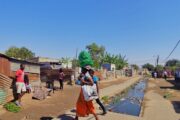
- Informal Settlements: The rapid growth of cities often leads to the expansion of informal settlements, which can lack basic amenities like sanitation, clean water, and reliable electricity. Addressing the challenges of informal housing is a major urban planning concern.
- Economic Opportunities in Cities: Despite the challenges, cities are also hubs of economic activity, innovation, and cultural exchange, offering significant opportunities for those who can access them.
Youth Demographics and Future Prospects
Africa has the youngest population in the world, a demographic reality that presents both immense potential and considerable challenges for employment and development.
- The Youth Bulge: A large proportion of the population is under the age of 25. Harnessing the energy and potential of this youth bulge is critical for long-term economic and social progress.
- Education and Employment: Ensuring access to quality education and creating sufficient job opportunities for this young population are paramount. Skill development programs and entrepreneurship support are key areas of focus.
- Youth Engagement in Governance: There’s a growing movement for greater youth participation in political and social decision-making processes, reflecting their aspirations and demands for representation.
Cultural Expression and Soft Power
Africa’s rich and diverse cultural heritage continues to influence global trends, with artists, musicians, and filmmakers gaining increasing international recognition.
- Afrobeats and Music Export: Genres like Afrobeats have achieved global popularity, with African artists topping international charts and influencing music scenes worldwide. This represents a significant aspect of Africa’s growing soft power.
- Film and Television: The continent’s film and television industries are producing compelling content that reflects diverse narratives and experiences, reaching audiences far beyond Africa. Nollywood, for instance, is a major global film industry.
- Fashion and Design: African fashion designers are making their mark on the international stage, showcasing unique aesthetics and traditions. This contributes to a broader appreciation of African creativity.
In recent developments, U.S. authorities have apprehended the suspected leader of the Venezuelan gang Tren de Aragua, highlighting the ongoing issues related to organized crime in various regions. This incident sheds light on the broader implications for security in Latin America and its connections to Africa, where similar gangs have been reported. For more insights on this topic, you can read the full article here.
Environmental Concerns: Climate Change and Sustainability Efforts
“`html
| Country | Population | GDP (USD) | Life Expectancy |
|---|---|---|---|
| Nigeria | 206 million | 448 billion | 54.7 years |
| South Africa | 60 million | 351 billion | 64.1 years |
| Kenya | 53 million | 95 billion | 66.7 years |
“`
Addressing the impacts of climate change and pursuing sustainable development are critical priorities for many African nations, which often find themselves on the frontlines of environmental challenges.
Climate Change Impacts and Vulnerability
Many parts of Africa are disproportionately affected by the consequences of climate change, including extreme weather events and environmental degradation.
- Drought and Desertification: Regions like the Horn of Africa and parts of the Sahel are experiencing prolonged droughts and desertification, impacting agricultural productivity, food security, and water availability.
- Flooding and Extreme Weather: Increased frequency and intensity of extreme weather events, such as floods and tropical storms, pose significant risks to coastal communities and agricultural areas in various parts of the continent.
- Rising Sea Levels: Coastal zones are vulnerable to rising sea levels, threatening ecosystems, infrastructure, and livelihoods.
Renewable Energy Transition and Investment
Africa possesses vast renewable energy potential, and there’s a growing push to harness these resources for sustainable development and to reduce reliance on fossil fuels.
- Solar Power Growth: The continent has abundant solar resources, and significant investments are being made in solar power projects, from large-scale farms to off-grid solutions for rural communities.
- Wind and Hydropower Potential: Wind power development is gaining momentum in certain regions, and hydropower remains a significant source of energy, though often with environmental considerations.
- Challenges to Implementation: Despite the potential, challenges remain in financing renewable energy projects, grid integration, and ensuring equitable access to clean energy.
Conservation and Biodiversity
Protecting Africa’s rich biodiversity and natural resources is essential, with ongoing conservation efforts facing both opportunities and threats.
- Wildlife Protection: Efforts to protect iconic wildlife species and their habitats continue, with varying degrees of success depending on the region and the effectiveness of anti-poaching initiatives.
- Sustainable Land Management: Promoting sustainable land management practices is crucial for combating deforestation, soil erosion, and land degradation, particularly in agricultural areas.
- Community Involvement: Increasingly, conservation strategies are recognizing the importance of involving local communities as stewards of their natural resources, fostering a sense of ownership and shared responsibility.