Africa’s biodiversity is facing some serious challenges, but there’s also a lot of hopeful news coming out. From innovative conservation strategies to important policy shifts and scientific breakthroughs, dedicated individuals and organizations are making real strides in protecting the continent’s incredible natural heritage. This article will dive into some of the latest developments, giving you a practical look at what’s happening on the ground and what it means for the future.
One of the most immediate threats to Africa’s wildlife has always been poaching. The good news is, approaches to combating this are evolving, moving beyond simply reacting to incidents.
Technology Taking the Lead
We’re seeing a significant uptake in technology to proactively deter and detect poachers. This isn’t just about drones anymore, though they still play a vital role.
AI for Early Warning
Imagine systems that can analyze patterns of human movement or even vehicle tracks in remote areas using AI. That’s exactly what’s being piloted in several national parks. These systems integrate data from various sources – satellite imagery, ground sensors, and even local intelligence – to predict potential poaching hotspots before an incident even occurs. This allows rangers to deploy strategically, making their patrols far more effective. It’s like having a digital scout working 24/7.
DNA Forensics for Convictions
The fight doesn’t end with catching poachers; securing convictions is just as crucial. DNA forensics is becoming a powerful tool here. By analyzing DNA from seized ivory, rhino horn, or pangolin scales, investigators can trace the origin of the poached animal, often back to specific populations or even individual animals. This helps to build stronger cases against poachers and traffickers, disrupting the entire supply chain rather than just individual actors. It’s a game-changer for justice.
Community-Based Conservation: A Stronger Front
True protection often starts with the people who live alongside wildlife. There’s a growing recognition that involving local communities isn’t just ethical, it’s essential for long-term success.
Empowering Local Rangers
Many conservation organizations are now prioritizing the training and employment of local community members as rangers. This not only creates much-needed jobs but also instills a sense of ownership and responsibility for the wildlife in their backyards. These rangers often have invaluable local knowledge, making them incredibly effective in monitoring and protecting wildlife. It’s a win-win, creating economic opportunity while safeguarding nature.
Sustainable Livelihoods as an Incentive
When communities benefit directly from conservation, they become powerful allies. Initiatives that link conservation efforts to sustainable economic opportunities, like eco-tourism or the sustainable harvesting of natural resources, are gaining traction. For example, some communities are developing honey production, basket weaving, or guiding services that provide income tied to a healthy ecosystem. This gives them a tangible reason to protect the environment rather than exploit it.
In the context of African environmental news, a related article that explores the intersection of technology and sustainability is available at this link: The Future of Smartphones: iPhone Fold. This piece discusses how advancements in smartphone technology, such as foldable devices, can potentially reduce electronic waste and promote more sustainable consumption patterns across the continent. As Africa continues to embrace digital innovation, understanding the environmental implications of these technologies becomes increasingly important.
Innovative Solutions for Habitat Restoration
Beyond individual species, the bigger picture is habitat. Degradation and loss of natural spaces are massive problems, but some clever solutions are emerging.
Reforestation with a Twist
Simply planting trees isn’t always enough. We’re seeing more nuanced approaches to reforestation that aim for ecological restoration, not just tree cover.
Native Species Focus
There’s a strong emphasis now on planting only native tree species, often sourced from local seed banks. This ensures that the newly planted forests are ecologically appropriate, providing the right habitat and food sources for local wildlife. It’s about rebuilding a functional ecosystem, not just greening an area. This careful selection prevents the introduction of invasive species and ensures long-term ecological benefits.
Assisted Natural Regeneration (ANR)
Sometimes, nature just needs a little help. ANR involves protecting existing young trees and removing obstacles to their growth, rather than planting entirely new saplings. This can be a more cost-effective and ecologically sound method, as it allows the natural resilience of the ecosystem to take over. It’s about leveraging nature’s own recovery mechanisms.
Water Management and Wetland Revival
Water is life, and in many parts of Africa, its management is critical for biodiversity. Restoring wetlands and improving water access are key areas of focus.
Restoring Degraded Wetlands
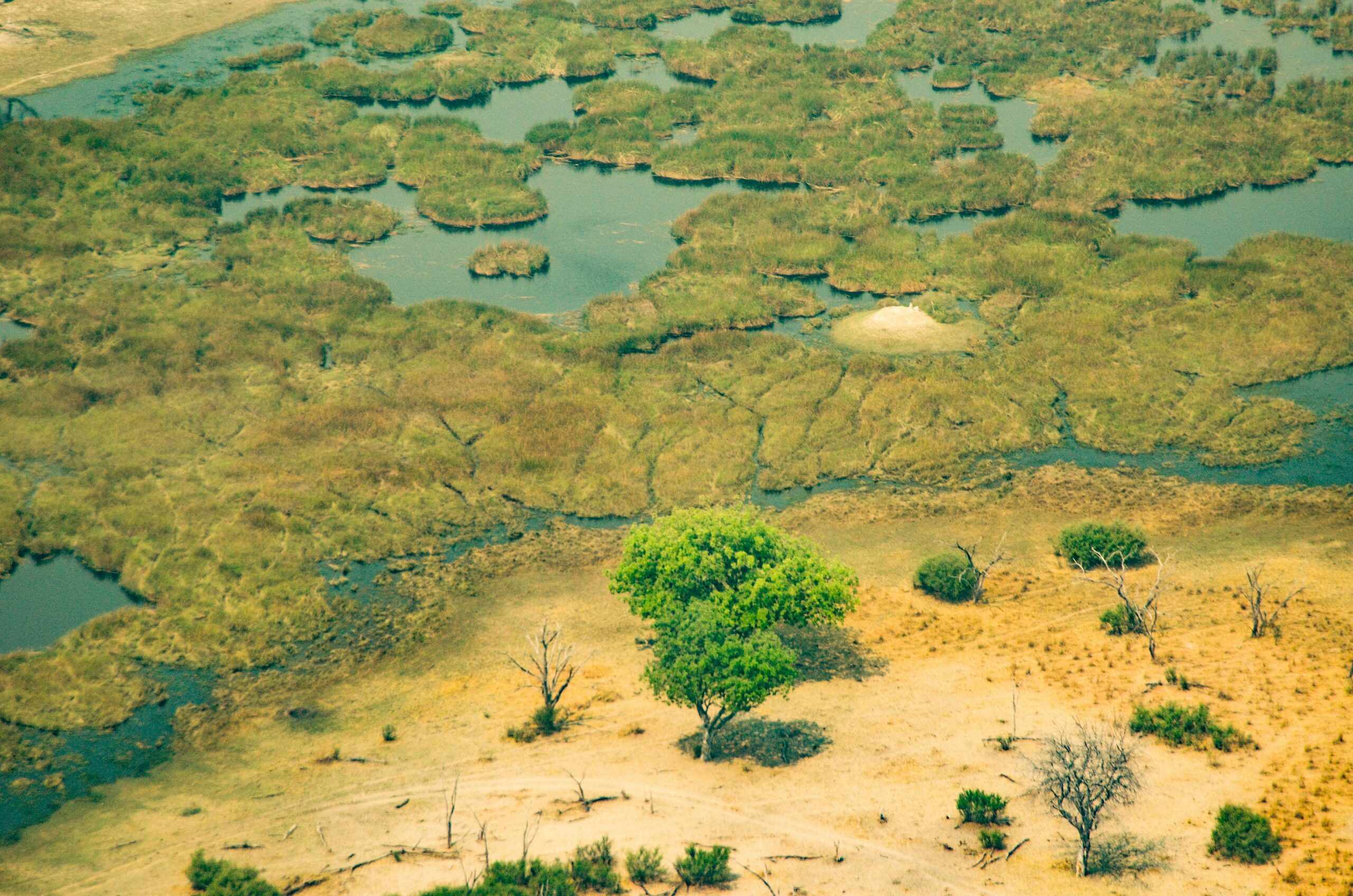
Wetlands are vital ecosystems, acting as natural filters and supporting a vast array of life. Efforts are underway to restore degraded wetlands, which often involves re-establishing natural water flow, removing invasive plants, and replanting native wetland species. This brings back crucial breeding grounds for birds, amphibians, and fish, and improves water quality for surrounding communities.
Community-Led Water Conservation
In drier regions, managing water resources is paramount. Community-led initiatives to build small dams, manage waterholes, and implement sustainable agricultural practices that conserve water are proving very effective. These projects not only benefit wildlife but also ensure water security for human populations. It’s a holistic approach to resource management.
Policy and Governance: Strengthening the Framework

Strong policies and good governance are the backbone of effective conservation. There’s been some real progress in this area, both nationally and internationally.
Regional Collaboration for Transboundary Species
Many of Africa’s iconic species, like elephants and lions, don’t respect national borders. Collaborative agreements between countries are vital for their protection.
Cross-Border Anti-Poaching Task Forces
We’re seeing more instances of neighboring countries forming joint anti-poaching task forces. These groups share intelligence, coordinate patrols, and conduct cross-border operations, making it much harder for poachers to escape justice by simply crossing a border. This regional solidarity is a powerful deterrent.
Harmonized Conservation Policies
Efforts to harmonize conservation policies and laws across regions are also gaining momentum. This makes it easier to manage shared wildlife populations and creates a more consistent legal framework for prosecuting wildlife crime. It removes loopholes that traffickers might exploit and strengthens the overall legal shield for wildlife.
Increased Funding and Investment
Conservation needs money, and there’s encouraging news on that front, albeit with ongoing challenges.
Debt-for-Nature Swaps
An innovative financing mechanism gaining traction is “debt-for-nature swaps.” In these agreements, a portion of a country’s foreign debt is forgiven in exchange for commitments to invest in conservation initiatives. This provides a direct financial incentive for governments to protect their natural assets. It’s a creative way to address both economic and environmental challenges.
Private Sector Engagement
More private companies are recognizing the importance of biodiversity and are investing in conservation, often through corporate social responsibility initiatives or impact investing. This ranges from supporting specific wildlife projects to adopting more sustainable practices in their supply chains. While commercial interests need careful monitoring, their involvement can bring significant resources to the table.
Scientific Breakthroughs and Research Advances

Science continues to offer new insights and tools for protecting Africa’s diverse ecosystems.
Genomics for Conservation Management
The power of genetics is being harnessed in increasingly sophisticated ways for conservation.
Understanding Population Health
Genetic analysis helps researchers understand the health and viability of wildlife populations. By studying genetic diversity, they can identify populations that are struggling with inbreeding or are particularly vulnerable to disease, allowing for targeted conservation interventions. It’s like a genetic health check-up for entire species.
Identifying Illicit Trade Routes
Just as DNA forensics helps catch poachers, genomic studies of seized wildlife products can reveal crucial information about trafficking routes and source populations. This intelligence helps law enforcement disrupt criminal networks more effectively. It’s a powerful detective tool for dismantling illegal trade.
Ecological Monitoring with Big Data
Collecting and analyzing vast amounts of ecological data is providing unprecedented insights into ecosystem health.
Satellite Tracking and Animal Movement
Advanced satellite tracking collars are now smaller, longer-lasting, and more sophisticated, providing real-time data on animal movements. This helps conservationists understand migration patterns, identify critical habitats, and detect threats like human-wildlife conflict or poaching in specific areas. It’s like having a constant watchful eye on individual animals.
Remote Sensing for Habitat Change
High-resolution satellite imagery and remote sensing technologies are being used to monitor habitat changes on a vast scale. This allows for early detection of deforestation, land degradation, and the impacts of climate change, providing crucial data for proactive conservation planning. You can see the bigger picture of environmental change unfold over time.
In recent discussions about the impact of technology on conservation efforts in Africa, an insightful article highlights innovative approaches being adopted across the continent. These advancements aim to tackle pressing environmental challenges while promoting sustainable development. For those interested in exploring this topic further, you can read more about these technological initiatives in the article available at Africa Daily Updates.
Addressing Human-Wildlife Conflict Sustainably
“`html
| Date | Headline | Source |
|---|---|---|
| 2022-10-15 | New conservation efforts announced in South Africa | Environmental News Network |
| 2022-10-16 | Kenya launches initiative to combat plastic pollution | Kenya Environmental Agency |
| 2022-10-17 | Study shows decline in elephant poaching in Tanzania | Wildlife Conservation Society |
“`
As human populations expand, encounters with wildlife inevitably increase. Managing this conflict is crucial for both people and animals.
Non-Lethal Deterrents
Moving away from harmful methods, there’s a strong focus on non-lethal solutions to keep wildlife away from human settlements and crops.
Chili Fences and Beehive Barriers
Elephants, for instance, are often deterred by fences laced with chili oil, which irritates their sensitive trunks. Another ingenious solution is using beehive fences; elephants dislike bees and will avoid areas protected by these natural barriers. These methods are surprisingly effective and protect both crops and elephants.
Guard Dogs and Livestock Protection
For communities living alongside predators like lions or leopards, specially trained livestock guardian dogs are proving to be a game-changer. These dogs bond with the livestock and effectively deter predators, significantly reducing retaliatory killings by farmers. It’s a natural, effective buffer.
Education and Awareness Campaigns
Understanding is key to coexistence. Education plays a vital role in mitigating conflict.
Community Workshops and Dialogue
Conservation organizations are increasingly running workshops in communities living with wildlife. These workshops foster dialogue, explain wildlife behavior, and demonstrate practical mitigation strategies. By engaging directly with affected communities, trust is built, and local solutions can be co-created. It’s about sharing knowledge and empowering solutions.
School Programs for the Next Generation
Educating children about wildlife and conservation instills a sense of responsibility from a young age. School programs that focus on local biodiversity and the benefits of coexistence are helping to shape a more conservation-minded generation. These young minds are the future stewards of Africa’s natural heritage.
The commitment to protecting Africa’s biodiversity is strong, and while challenges remain, these latest developments offer a solid dose of optimism. It’s a dynamic space, with dedicated people continually finding smarter, more collaborative, and more effective ways to ensure a future for Africa’s incredible natural world.