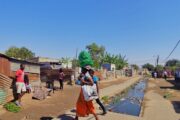
West Africa is a dynamic region, and keeping up with all the news can feel like a full-time job. So, what’s been happening lately? In broad strokes, we’re seeing ongoing efforts to tackle security challenges, particularly in the Sahel, alongside significant economic developments and political shifts across several nations. Discussions around regional integration are also gaining traction, as countries look for ways to boost trade and cooperation in a complex global landscape.
The Sahel region, a vast swathe of land south of the Sahara Desert, continues to be a focal point for security concerns. This area, encompassing countries like Mali, Burkina Faso, and Niger, has been grappling with a persistent and evolving threat from various armed extremist groups. These groups, often with links to larger international networks, exploit existing grievances, weak governance, and limited resources to expand their influence.
The Evolving Nature of Extremist Threats
It’s not a simple story of one type of threat. We’re seeing a complex mix of groups, some more ideologically driven, others more opportunistic, and all adapting their tactics. They frequently target state infrastructure, civilian populations, and international aid workers. Attacks range from large-scale assaults on military bases to smaller, more targeted assassinations and kidnappings. The ripple effects are significant, displacing millions and hindering development efforts.
International and Regional Responses
There’s a multi-pronged approach to addressing these security issues, though its effectiveness is constantly under review. International partners have been involved through various military and training missions aimed at building the capacity of national security forces. However, the focus is increasingly shifting towards ensuring these national forces are well-equipped and strategically deployed.
Regional bodies like ECOWAS (Economic Community of West African States) are also playing a crucial role. They’re coordinating security strategies, sharing intelligence, and, in some instances, deploying peacekeeping or stabilization forces. The challenge here is immense, as countries face different levels of capacity and often have their own internal political hurdles to overcome.
Focus on Local Solutions and Community Engagement
A growing realization is that purely military solutions aren’t enough. There’s a push towards understanding and addressing the root causes of instability, which often include poverty, lack of opportunity, and inter-communal tensions. This means investing in development, education, and providing viable alternatives to youth who might otherwise be drawn into armed groups. Building trust between communities and their governments is also a critical, albeit slow, process.
The Impact of Coups and Political Transitions
Recent years have seen a series of unwelcome political upheavals, particularly military coups in Mali, Burkina Faso, and Niger. These events have derailed democratic progress and created significant uncertainty, not just internally but also for regional stability and international partnerships. The military juntas have often cited insecurity and corruption as justifications for their actions, promising to restore order and eventually return to civilian rule. However, the timelines for these transitions remain unclear and are often met with skepticism. These coups have also strained relations with democratic West African nations and international bodies, leading to sanctions and diplomatic isolation in some cases.
In recent developments, the geopolitical landscape of West Africa has been influenced by various international relations, including those with Iran. For a deeper understanding of the current situation and its implications, you can read the article on the latest updates regarding Iran’s foreign policy and its impact on the region. Check it out here: Iran News: Latest Developments and Updates.
Economic Currents: Growth, Challenges, and Regional Integration
West Africa’s economies are a mixed bag, with some experiencing strong growth while others face significant headwinds. The region is rich in natural resources, from oil and gas to minerals and agricultural products, but harnessing this potential for broad-based prosperity remains a key challenge.
Driving Forces of Economic Growth
Commodity prices, particularly for oil and minerals, play a significant role in the economic fortunes of many West African nations. Countries like Nigeria and Angola (though Angola is often considered more Central, its economic ties can extend into West African discussions) are heavily reliant on their oil exports. Other countries are seeing growth in sectors like telecommunications, construction, and increasingly, services. The young and growing populations across the region also represent a significant demographic dividend if properly channeled through education and job creation.
Persistent Economic Hurdles
Despite the potential, several factors continue to hold back widespread economic development. Infrastructure deficits are a major issue. Poor roads, unreliable electricity supply, and limited port facilities increase the cost of doing business and hinder trade. Corruption remains a pervasive problem in many countries, diverting resources away from public services and discouraging investment. Furthermore, many economies are still heavily dependent on a limited range of exports, making them vulnerable to global price fluctuations and demand shocks. The informal sector is also massive, providing livelihoods but often operating outside the tax net and with limited worker protections.
The Push for Regional Economic Integration
There’s a concerted effort, spearheaded by ECOWAS, to deepen regional economic integration. The goal is to create a larger, more unified market, encouraging intra-regional trade and investment, and reducing reliance on external partners. Initiatives like the West African Monetary Zone (WAMZ) aim for currency harmonization and a future single currency, though progress has been slow and fraught with technical and political challenges. The ECOWAS Trade Liberalization Scheme (ETLS) is another important effort to remove tariffs and non-tariff barriers to trade among member states. The success of these initiatives is crucial for unlocking the region’s full economic potential, moving beyond individual national markets to a more powerful collective economic force.
Impact of Global Economic Trends
West African economies aren’t in a bubble; they’re increasingly influenced by global economic trends. The COVID-19 pandemic, for instance, had a significant impact on trade, tourism, and remittances. More recently, rising global inflation and interest rates have put pressure on household budgets and government finances across the region. The ongoing geopolitical shifts, such as the war in Ukraine, have also had repercussions, affecting food and fertilizer prices, which are critical for West African economies. Navigating these external shocks requires resilience and strategic economic management.
Investment and Entrepreneurship
Attracting foreign direct investment (FDI) is a priority for most West African governments. Efforts are being made to improve the investment climate through policy reforms and the development of special economic zones. However, concerns about political stability, corruption, and regulatory frameworks can deter potential investors. At the same time, there’s a vibrant and growing entrepreneurial spirit within West Africa, with many young people developing innovative solutions in areas like fintech, agri-tech, and renewable energy. Supporting and scaling these local enterprises is seen as a vital engine for future economic growth.
Political Landscapes: Elections, Governance, and Civil Society

The political scenes across West Africa are a mosaic of evolving democracies, persistent authoritarian tendencies, and the enduring spirit of civil society. Elections are a recurring event, but their fairness, and the subsequent transfer of power, often remain points of contention.
Electoral Processes and Outcomes
Several West African nations have held or are preparing for significant elections. These events are crucial for democratic accountability, but they are often marked by logistical challenges, allegations of irregularities, and sometimes, post-election disputes. The integrity of electoral processes is paramount for maintaining public trust and ensuring peaceful transitions of power. International and domestic election observers play a vital role in monitoring these processes and delivering independent assessments.
Governance Reforms and Challenges
Good governance is a perpetual aspiration and a constant struggle. Many countries are engaged in efforts to reform their public institutions, fight corruption, and improve service delivery. However, the effectiveness of these reforms is often hampered by institutional weaknesses, a lack of political will, and the influence of vested interests. Debates around constitutional reforms, decentralization, and the separation of powers are ongoing in many capitals, reflecting a desire for more responsive and accountable governance.
The Role of Civil Society
Civil society organizations (CSOs) are an indispensable part of the West African political fabric. They play a critical role in advocating for human rights, promoting democratic values, holding governments accountable, and providing essential services. From local community groups to national advocacy networks, CSOs often act as a vital counter-balance to state power. However, they frequently face challenges, including shrinking civic space, harassment, and funding difficulties, particularly in environments where their work is seen as critical of the ruling powers. Their resilience and dedication are crucial for fostering a more just and democratic West Africa.
Regional Diplomacy and Cooperation
Beyond national borders, regional diplomacy is key. ECOWAS, as mentioned earlier, is a central player in mediating political disputes, reinforcing regional stability, and fostering cooperation. Summits, ministerial meetings, and ad-hoc delegations are all part of the diplomatic toolkit used to address common challenges, from security threats to economic development. The effectiveness of these diplomatic efforts often depends on the willingness of member states to put regional interests ahead of narrow national concerns.
Youth Engagement and Political Participation
West Africa has one of the youngest populations in the world. Engaging this demographic in the political process is essential for the future of the region. While youth are often at the forefront of social movements and activism, their formal participation in political decision-making can be limited. Efforts to increase youth representation in parliaments, local councils, and political parties are ongoing, but progress is often slow. Ensuring that young people feel they have a voice and a stake in their countries’ futures is fundamental to long-term stability and progress.
Social Fabric: Demographics, Development, and Cultural Exchange

The social landscape of West Africa is characterized by its rapidly growing populations, diverse cultures, and persistent development needs. Understanding these dynamics is key to grasping the region’s present and future trajectory.
Demographic Shifts and Urbanization
West Africa is experiencing a demographic boom, with rapidly increasing birth rates and a shrinking mortality rate. This means a youthful population that is growing quickly. This demographic dividend can be a source of immense energy and innovation, but it also places significant pressure on education systems, healthcare, and job markets. Urbanization is also a significant trend, with people migrating from rural areas to cities in search of opportunities. This rapid urban growth can strain municipal services and lead to the expansion of informal settlements.
Education and Healthcare Investments
Improving access to quality education and healthcare remains a top priority for most West African governments. Literacy rates are gradually increasing, and efforts are underway to expand access to primary and secondary education, as well as higher education and vocational training. However, significant challenges persist, including overcrowded classrooms, a shortage of qualified teachers, and limited resources particularly in rural areas. Similarly, healthcare systems are often underfunded and stretched, facing challenges in providing comprehensive services, tackling prevalent diseases, and ensuring access for all.
Gender Equality and Women’s Empowerment
Progress on gender equality and women’s empowerment is a complex journey. While women play vital roles in economic and social life across West Africa, they often face significant barriers to full participation, including limited access to education, land ownership, and political power. Efforts to promote women’s rights, combat gender-based violence, and increase women’s representation in leadership positions are ongoing, with CSOs often leading the charge. The economic empowerment of women is seen as a crucial driver of development for families and communities.
Cultural Richness and Diversity
West Africa is a tapestry of incredibly diverse cultures, each with its own unique languages, traditions, arts, and cuisines. This rich heritage is a source of pride and a significant attraction. From the vibrant textiles of Ghana and Nigeria, to the music of Senegal, and the storytelling traditions found across the region, cultural exchange is a constant and enriching aspect of West African life. Cross-cultural dialogue and understanding are essential for fostering unity and cooperation within and between countries.
Humanitarian Challenges and Resilience
Despite the progress, many West African countries continue to face significant humanitarian challenges. These can be triggered by conflict, natural disasters like droughts and floods, or public health emergencies. Millions of people are displaced, requiring urgent assistance in the form of food, shelter, and medical care. However, the resilience of West African communities in the face of adversity is remarkable. Local coping mechanisms, community support networks, and the dedication of humanitarian organizations are vital in responding to these crises.
In recent developments, the media landscape in West Africa has been significantly shaped by the rise of digital platforms, which are increasingly becoming the primary source of news for many citizens. A related article discusses how these platforms are transforming the way information is disseminated across the region, highlighting both the challenges and opportunities they present. For more insights on this topic, you can read the full article here.
Emerging Trends: Technology, Climate Change, and Future Outlook
“`html
| Country | Population | GDP (USD) | Life Expectancy |
|---|---|---|---|
| Nigeria | 206 million | 448 billion | 54.7 years |
| Ghana | 31 million | 65 billion | 64.1 years |
| Senegal | 16 million | 22 billion | 66.8 years |
“`
Looking ahead, several emerging trends are shaping the future of West Africa, from technological advancements to the undeniable impact of climate change.
Digital Transformation and Innovation
The digital revolution is making its mark across West Africa. Mobile penetration is high, and the use of mobile money services has transformed financial inclusion for millions. The rise of fintech companies is a testament to the innovative spirit in the region, offering new solutions for payments, lending, and remittances. Access to the internet is expanding, albeit unevenly, opening up opportunities for online education, e-commerce, and information sharing. This digital leapfrogs traditional infrastructure can be a powerful engine for economic growth and social progress.
The Growing Impact of Climate Change
Climate change is no longer a distant threat; it’s a present reality that is already impacting West Africa. Altered rainfall patterns, increased frequency of extreme weather events like droughts and floods, and rising temperatures are affecting agriculture, water resources, and food security. Coastal erosion is a concern for many low-lying areas. These climate-induced challenges can exacerbate existing vulnerabilities, contribute to resource conflicts, and lead to displacement. Adaptation and mitigation strategies, alongside international support, are critical for building resilience.
Renewable Energy potential
Recognizing the need to diversify away from fossil fuels and address energy poverty, many West African countries are increasingly looking towards renewable energy sources. Solar energy, in particular, has enormous potential given the region’s abundant sunshine. Investments in solar farms, off-grid solutions, and wind power are growing. This shift not only offers a cleaner energy future but also the possibility of creating new jobs and fostering energy independence.
Regional Cooperation and Future Prospects
The future of West Africa will undoubtedly be shaped by its ability to deepen regional cooperation. From tackling security threats collectively to fostering intra-regional trade and developing common strategies for climate adaptation, collaboration is essential. The region has immense human capital, diverse resources, and a dynamic youth population. If harnessed effectively through good governance, inclusive development, and a commitment to peace and stability, West Africa is poised for significant progress in the years to come. The path ahead involves navigating complex challenges, but also presents substantial opportunities for growth and positive transformation.