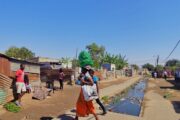
Here’s a look at some of the latest developments shaping the African continent, focusing on key areas that impact daily life and the broader geopolitical landscape. We’ll dive into political shifts, economic trends, social challenges, environmental initiatives, and technological advancements, giving you a practical overview of what’s happening on the ground.
The political landscape across Africa is constantly evolving, with a mix of democratic advancements, persistent challenges, and regional power plays. Understanding these dynamics is crucial for grasping the broader direction of the continent.
Election Cycles and Democratic Progress
Recent months have seen a number of critical elections across the continent, some fostering hope for democratic consolidation, while others have raised concerns about transparency and fairness. For instance, in Nigeria, the aftermath of the general elections continues to shape political discourse, with judicial challenges and debates around electoral integrity remaining prominent. This ongoing scrutiny, while sometimes contentious, highlights a growing demand for accountability among citizens.
Similarly, Zimbabwe held its general elections recently, with international observers pointing out various irregularities. The continued discussions around these elections underscore the persistent struggle for truly free and fair electoral processes in some nations. These conversations are vital because they directly impact the legitimacy of governments and the stability of regions.
On a more positive note, some nations are making strides towards more inclusive governance. Initiatives aimed at increasing women’s representation in politics and empowering youth voices are gaining traction. These efforts, though often slow-moving, are foundational for building more equitable and representative societies in the long term.
Regional Conflicts and Peace Efforts
Unfortunately, several regions continue to grapple with internal conflicts and cross-border tensions. The Eastern Democratic Republic of Congo (DRC), for example, remains a significant concern, with ongoing violence displacing hundreds of thousands and exacerbating humanitarian crises. The involvement of various armed groups and the complex interplay of regional interests make finding lasting peace incredibly challenging. Efforts by regional blocs like the East African Community (EAC) to mediate and deploy regional forces are ongoing, but a comprehensive solution remains elusive.
The situation in the Sahel region, particularly in countries like Mali, Burkina Faso, and Niger, is also highly volatile. The rise of extremist groups, coupled with political instability and coups, has created a complex security environment. International efforts to combat terrorism and stabilize these nations are constantly being re-evaluated, with a strong focus on addressing the root causes of radicalization, such as poverty and lack of opportunity.
Furthermore, the ongoing conflict in Sudan has led to a catastrophic humanitarian crisis, with millions displaced and facing severe food insecurity. Regional and international bodies are actively involved in trying to broker a ceasefire and establish a path towards a civilian-led transition, but progress has been slow and difficult. The sheer scale of the displacement and the destruction of infrastructure present immense challenges for any future peacebuilding efforts.
Geopolitical Engagements and Alliances
Africa is increasingly becoming a focal point for global geopolitical competition. Major powers like China, Russia, the United States, and European Union nations are all vying for influence, offering investments, security partnerships, and diplomatic overtures.
China’s Belt and Road Initiative (BRI) continues to play a significant role in infrastructure development across the continent, from railways to ports. While bringing much-needed development, questions around debt sustainability and environmental impact are regularly debated. African nations are increasingly engaging with China on their own terms, seeking to maximize benefits while mitigating potential risks.
Russia’s expanding military and diplomatic presence, particularly in the Sahel and parts of Central Africa, is also a notable development. These engagements often involve security cooperation and resource agreements, shifting existing power dynamics. This is prompting a re-evaluation of security strategies by traditional Western partners.
Meanwhile, Western nations are attempting to re-engage with African countries, focusing on partnerships that emphasize good governance, human rights, and sustainable development. There’s a noticeable shift towards more collaborative approaches, moving away from purely donor-recipient relationships to more mutually beneficial partnerships. African leaders are becoming more assertive in defining their own foreign policy priorities and choosing partners that align with their national interests.
In recent developments across the African continent, a noteworthy article discusses the impact of climate change on agricultural practices in East Africa, highlighting how local farmers are adapting to shifting weather patterns. This article provides valuable insights into the resilience of communities facing environmental challenges. For more information, you can read the full article here: Africa Daily Updates.
Economic Resilience and Development Trajectories
Despite global economic headwinds, many African economies are demonstrating remarkable resilience and are projected to be among the fastest-growing in the world. However, challenges persist, requiring innovative solutions.
Growth Sectors and Investment Trends
The digital economy continues to be a major growth driver. Mobile money, e-commerce, and tech startups are transforming various sectors, creating new jobs and boosting financial inclusion. Countries like Kenya, Nigeria, and South Africa are leading this charge, with vibrant tech ecosystems attracting significant venture capital. The expansion of internet connectivity, even in remote areas, is fueling this digital revolution.
Renewable energy is another sector experiencing rapid expansion. With abundant solar, wind, and geothermal resources, African nations are increasingly investing in clean energy projects. This not only addresses energy deficits but also positions the continent as a leader in sustainable development. Initiatives to develop large-scale solar farms and wind power projects are taking off in countries like Morocco, Egypt, and South Africa, providing much-needed power and reducing reliance on fossil fuels.
Agriculture remains the backbone of many African economies, and efforts to modernize and increase productivity are underway. Investments in agricultural technology, improved irrigation systems, and climate-resilient farming practices are crucial for food security and rural development. The focus is shifting towards value addition, processing raw materials locally to create more jobs and increase export earnings.
Inflationary Pressures and Cost of Living
Like much of the world, African economies are grappling with significant inflationary pressures. Rising food and fuel prices are impacting household budgets and exacerbating poverty. Supply chain disruptions, global commodity price fluctuations, and local currency depreciation are all contributing factors. Central banks across the continent are walking a tightrope, trying to curb inflation without stifling economic growth.
Governments are implementing various measures, including subsidies and price controls, to cushion the impact on vulnerable populations. However, these measures often come with fiscal costs. The long-term solution involves strengthening domestic production, diversifying economies, and building more resilient supply chains. This is a complex challenge that requires both immediate relief and sustained strategic planning.
Trade Agreements and Regional Integration
The African Continental Free Trade Area (AfCFTA) remains a transformative initiative with the potential to unlock immense economic growth. While implementation is gradual, progress is being made in reducing tariffs and non-tariff barriers, aiming to create a single market of 1.3 billion people. The successful operationalization of AfCFTA could significantly boost intra-African trade, foster industrialization, and attract greater foreign direct investment.
However, challenges remain, including inadequate infrastructure, varying regulatory frameworks, and capacity constraints. Efforts to harmonize standards, improve customs procedures, and invest in regional infrastructure are critical for the full realization of AfCFTA’s benefits. The discussions around rules of origin and dispute resolution mechanisms are ongoing, ensuring a fair and equitable trading environment.
Social Fabric: Challenges and Innovations

Africa’s youthful population presents both immense opportunities and significant challenges, driving social innovation and demanding greater attention to human development.
Education and Skill Development
Access to quality education remains a top priority across the continent. While primary school enrollment rates have improved significantly, challenges persist in secondary and tertiary education, particularly in terms of quality and relevance to the job market. There’s a growing emphasis on vocational training and digital literacy programs to equip young people with the skills needed for the 21st-century economy.
Initiatives like remote learning platforms and public-private partnerships are helping to bridge educational gaps. Governments are also investing in teacher training and curriculum reform to ensure that education systems are robust and responsive to societal needs. The goal is not just to provide schooling, but to foster critical thinking and problem-solving skills that are essential for future success.
Healthcare and Public Health Initiatives
The COVID-19 pandemic highlighted both the vulnerabilities and the strengths of African healthcare systems. While vaccination efforts continue, the focus is now broadening to strengthening primary healthcare, improving disease surveillance, and addressing the burden of non-communicable diseases.
Innovations in digital health, telemedicine, and drone delivery of medical supplies are transforming healthcare access in remote areas. For instance, countries like Rwanda and Ghana are leading the way in using drones to deliver vital medicines and blood supplies, dramatically reducing delivery times and saving lives. There’s also a renewed push for local vaccine manufacturing and pharmaceutical production to enhance health security and reduce reliance on external supplies.
Addressing Food Security and Nutrition
Food security remains a pressing concern in many parts of the continent, exacerbated by climate change, conflict, and economic shocks. Efforts to build resilience in agricultural systems, promote sustainable farming practices, and reduce food waste are crucial. Early warning systems for food crises are being strengthened, and humanitarian assistance continues to be vital in affected regions.
Programs aimed at improving nutrition, particularly for children and pregnant women, are also high on the agenda. This includes promoting diverse diets, fortifying staple foods, and educating communities on healthy eating practices. The long-term strategy involves empowering local farmers and ensuring access to markets, creating a sustainable food ecosystem.
Environmental Sustainability and Climate Action

Africa is highly vulnerable to the impacts of climate change, but it is also at the forefront of innovative solutions and conservation efforts.
Climate Change Adaptation and Mitigation
From droughts in the Horn of Africa to flooding in West Africa, the continent is experiencing the harsh realities of climate change. Adaptation strategies, such as developing drought-resistant crops, early warning systems for extreme weather events, and climate-smart agriculture, are becoming increasingly vital. Investment in resilient infrastructure is also crucial to withstand changing weather patterns.
Mitigation efforts include the scaling up of renewable energy projects, reforestation initiatives, and the promotion of sustainable land management practices. African nations are also actively participating in international climate negotiations, advocating for climate justice and increased financial support from developed nations to help with both adaptation and mitigation. The unique position of Africa, having contributed minimally to global emissions yet bearing a disproportionate burden, is a central theme in these discussions.
Biodiversity Conservation and Protected Areas
Africa is home to an incredible diversity of wildlife and ecosystems, which are under threat from habitat loss, poaching, and climate change. Conservation efforts are focusing on strengthening protected areas, combating illegal wildlife trade, and engaging local communities in conservation initiatives. Community-based conservation models are proving particularly effective, ensuring that local populations benefit from and are invested in protecting their natural heritage.
Technological advancements, such as satellite monitoring and AI-powered surveillance, are being deployed to combat poaching more effectively. There’s also a growing recognition of the importance of ecological restoration, including efforts to restore degraded landscapes and reforest areas that have been affected by deforestation.
Water Scarcity and Management
Access to clean water is a fundamental challenge in many African regions. Climate change is exacerbating existing water scarcity, making effective water resource management critical. Investments in water harvesting technologies, efficient irrigation systems, and wastewater treatment plants are essential.
Cross-border cooperation on shared water resources, such as major river basins, is also vital to prevent conflicts and ensure equitable access. Sustainable water management goes hand-in-hand with broader environmental and development goals, impacting everything from health and sanitation to agricultural productivity.
In recent developments across the continent, the cultural impact of music continues to resonate deeply within African communities. A fascinating article explores the life and legacy of David Allan Coe, an outlaw country legend, highlighting how his music has influenced various genres worldwide. To learn more about this intriguing connection, you can read the full article here. This intersection of music and culture showcases the rich tapestry of influences that shape the African musical landscape today.
Technological Advancements and Digital Transformation
| Country | Number of News Articles | Top News Category |
|---|---|---|
| Nigeria | 350 | Politics |
| South Africa | 280 | Business |
| Kenya | 200 | Sports |
| Egypt | 180 | Entertainment |
Africa is embracing digital transformation at an unprecedented pace, leveraging technology to address development challenges and unlock new opportunities.
Mobile and Internet Connectivity
The rapid expansion of mobile phone penetration and internet connectivity is a game-changer for the continent. This connectivity is fueling the digital economy, enabling access to information, education, and healthcare. Governments and private sector players are investing heavily in broadband infrastructure, including fiber optic networks and satellite internet, to reach underserved rural areas.
The challenge remains in ensuring affordable and reliable access for everyone, bridging the digital divide between urban and rural populations. Initiatives to provide low-cost smartphones and affordable data plans are crucial in this regard. This digital revolution is fundamentally changing how people live, work, and communicate.
Innovation Hubs and Startup Ecosystems
Across major cities like Lagos, Nairobi, Cape Town, and Kigali, vibrant innovation hubs and startup ecosystems are flourishing. These hubs are fostering a culture of entrepreneurship, attracting talent, and developing innovative solutions tailored to local challenges. From fintech to agritech, African startups are gaining international recognition and attracting significant investment.
Governments are playing a crucial role in creating enabling environments for these ecosystems through policy support, incubation programs, and access to funding. The growth of these tech hubs is not only creating jobs but also positioning Africa as a global center for innovation. This bottom-up approach to development is creating sustainable solutions that are rooted in local needs and contexts.
Artificial Intelligence and Emerging Technologies
African researchers and entrepreneurs are increasingly exploring the potential of Artificial Intelligence (AI), blockchain, and other emerging technologies. Applications range from AI-powered diagnostic tools in healthcare to using blockchain for secure land registries and supply chain management.
While ethical considerations and the need for appropriate regulatory frameworks are paramount, these technologies hold immense promise for accelerating development and addressing complex societal issues. Investing in STEM education and research is crucial to build the local capacity needed to harness these technologies effectively and ensure that Africa is not merely a consumer but also a producer of technological innovation.